The Aotearoa Chronicles: Turning a New Zealand Storybook into a Family Keepsake
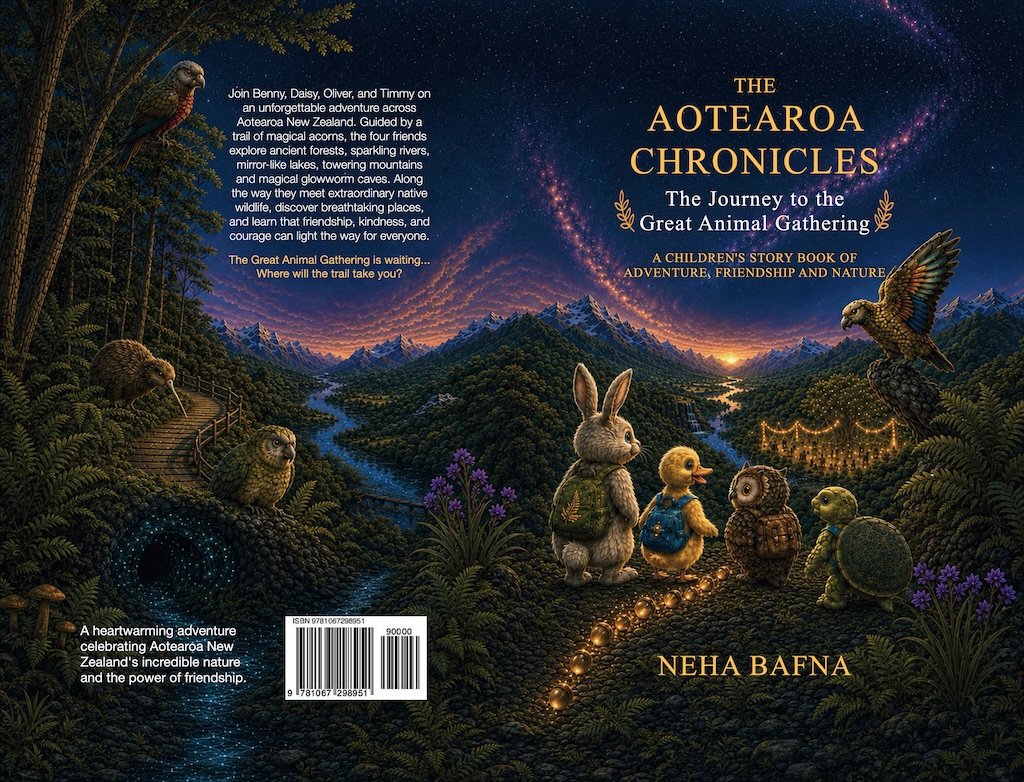
One of a child’s most treasured keepsakes is frequently something they can enjoy using. A present may attract attention when it is unwrapped, while a storybook offers another opportunity for enjoyment with every reading. The story’s characters gradually become familiar, some pages invite readers to return repeatedly, and the reading experience slowly becomes associated with whoever originally shared the story.
When families are considering The Aotearoa Chronicles, that sense of connection can guide their decision. Rather than choosing a book simply because it represents New Zealand, consider the shared reading moments it might encourage. An Aotearoa-inspired animal adventure could find a place in a family’s evening reading routine, a lasting reminder of travelling together or an engaging first connection with a destination the child has never experienced.
Choosing the most meaningful book comes down to the individual reader. Their personal interests, preferred reading experiences and opportunities to share stories carry greater weight than general statements suggesting that one book is appropriate for every child.
Begin with the child’s interests, then consider the destination
A destination-related connection may make a gift feel more thoughtful, yet that connection alone seldom defines the entire experience. Children usually return to books because something within them holds their attention. The attraction could be a memorable animal character, an adventure leading towards an interesting destination or the enjoyment of following the story to see what happens.
The Aotearoa Chronicles follows four animal companions travelling towards a gathering. This friendship-centred adventure offers a helpful basis for comparison for adults deciding which type of present to select. A child who takes pleasure in imagining animals communicating and sharing adventures may enjoy a different reading experience from a child interested mainly in factual books about equipment or space.
Pay attention to the stories the child picks up without encouragement. Are they particularly interested in studying pictures, show curiosity about the characters or enjoy predicting the next event? These habits can help identify a suitable reading experience rather than relying entirely on a particular age category.
A New Zealand connection then adds another layer. It may relate to family origins, a previous holiday or a child’s curiosity about a faraway destination. The most suitable choice brings together this personal significance and the child’s existing interests.
A shared destination gives readers something to anticipate
Stories built around a journey provide an easy-to-follow direction: characters set out, move through an unfamiliar world and work towards somewhere they want to reach. That structure can help adults invite participation without needing to stop the narrative after each sentence.
In The Aotearoa Chronicles, the companions’ journey towards the Great Animal Gathering gives readers a destination to keep in mind. An adult might pause at a natural break and ask what the child expects the gathering to be like. Even an inaccurate guess can make the shared discussion enjoyable and meaningful.
Guessing what might happen gives children the freedom to revise their expectations. A young reader may form an early expectation, recognise a new clue and consider another possibility. Such moments can make listening more participatory while preserving the enjoyment of the adventure.
Nevertheless, taking part should remain a choice rather than an expectation. Certain children enjoy listening without interruption when hearing a story for the first time and share their thoughts after reaching the end. Other children prefer offering their thoughts as the story progresses. Following their response helps the book feel welcoming rather than like a task.
Create a relaxed atmosphere for the first reading
There is no requirement to finish every page during the first reading. A child might spend several minutes studying the cover, ask about the title or focus their attention on one particular picture. These reactions are a natural part of becoming familiar with the book.
Find an opportunity when there is sufficient time to follow the child’s interest. Trying to read when it is nearly time to leave home might leave little opportunity to respond to their curiosity. A peaceful afternoon or a calm evening may give the story time to unfold at a comfortable pace.
Start by letting the child notice what interests them. Instead of offering explanations about the whole story beforehand, allow space for their own discoveries. Read the opening and watch for signs of engagement, whether that means questions, laughter, close attention or a request to look again.
If their attention starts to wander, the reading can end naturally at a suitable point. A book can become familiar over several short sessions. Reading every page immediately is not as important as encouraging a positive experience worth repeating.
Let a fictional adventure lead to real observations
A New Zealand-inspired adventure may spark interest in the place where it is set, but fiction and factual explanation serve different purposes. Animal characters that speak are part of a fictional setting. Including these characters does not confirm that their species naturally inhabit the landscape being portrayed.
Understanding the separation between fact and fiction can help grown-ups continue the reading experience. Following the adventure, the family may become interested in exploring a factual topic concerning birds, woodland environments or rivers and other waterways with the help of reliable factual material. The adventure creates the initial interest, while further exploration adds factual understanding.
There is no need to turn every scene into a lesson. Sometimes young readers are content to enjoy following the characters. On another occasion, a simple question may lead to a wider discussion exploring the connection between the imagined environment and real places.
Aotearoa carries cultural importance that goes further than its appearance in a fictional story. Grown-ups can discuss this significance thoughtfully, using dependable resources to answer any additional questions children raise. An imaginative adventure can begin curiosity without being expected to explain an entire country.
Make the storybook part of the family’s shared memories
A memento can feel more significant when the giver has a particular reason for choosing it. The motivation may be something uncomplicated: the giver recalled the young reader’s interest in animal stories, wished to celebrate a journey the family had shared or wished to introduce somewhere that holds significance for the family.
A short handwritten message inside the book can preserve that connection. It may refer to an outing they enjoyed together, the special event the gift commemorates or a wish for the child to discover countless adventures through reading. Personal recollections often carry greater significance than a vague message about selecting a thoughtful gift.
For a child receiving the book after a New Zealand visit, reading together could help bring back experiences from the holiday. The child may recall walking along a wooded trail or quietly observing birds. These personal links develop through the family’s own experiences, without having to correspond precisely with anything that happens in the story.
Children who have never been to New Zealand can still build a personal connection. The book may represent someone thinking carefully about their interests and picked a book with the intention of sharing it.
Look beyond the first reading when choosing a storybook gift
Choosing a present frequently involves focusing on the excitement of unwrapping it. For storybooks, considering future reading sessions can be just as valuable. Who might read with the child? Where will the book be kept? Is there an existing routine into which it could fit?
Households considering the best New Zealand gifts for kids can use these everyday questions to identify a more appropriate gift. A book can create more occasions for shared enjoyment where the young reader is interested in books or someone can regularly join them in reading. Repeated shared reading can add to its personal significance.
Repeated visits to the same story can follow different patterns. The first experience may focus on following the story from beginning to end. A subsequent session may centre on one of the child’s preferred companions or an illustration the child previously overlooked. On another occasion, the young reader may enjoy recounting part of the story in their own way.
Adults do not need to introduce a fresh activity whenever a child requests the same story. Recognising familiar moments can bring pleasure on its own. Often, sharing another attentive reading of the familiar book is all that is needed.
Encourage conversations about friendship with open-ended questions
An adventure involving several companions can prompt conversations about sharing a journey, paying attention to companions and moving towards a common destination. These discussions may work especially well when the young reader notices the underlying ideas without prompting.
Rather than asking for a single moral, consider questions based on observations the young reader has already made. Who among the companions would they prefer to have on their own adventure? What could make a shared adventure with friends exciting? What problems might arise if the companions have different preferences?
Questions like these encourage children to relate the adventure to situations they recognise. One may think about sharing decisions with a sibling. Another may remember helping a friend join an activity. The conversation can follow those connections while recognising that the book does not necessarily portray those particular situations.
Avoid supplying every answer before the child has time to respond. Leaving some thinking time could encourage an observation nobody anticipated. If they prefer to return to the adventure, that is useful guidance too. Reading can remain rewarding even when not every theme becomes a conversation.
Think about lasting enjoyment when choosing a souvenir
When comparing the best New Zealand souvenirs for kids, consider what each object invites a child to do after returning home. Some keepsakes are mainly for display. Others support play, practical use or shared activities. Books provide opportunities for stories and discussions.
For this reason, The Aotearoa Chronicles may be a suitable option for young readers who enjoy picture-led stories about animals. Its connection with Aotearoa can provide a reminder of place, while the unfolding journey encourages future readings beyond the moment the gift is presented.
Everyday suitability remains an important consideration. Before selecting any book, check its physical format and available sample pages where possible. Assess whether the quantity of writing, visual design and storytelling style match the reader’s preferences. These details should be checked rather than assumed.
A thoughtful keepsake does not have to capture every aspect of the place it represents. Sometimes one clear connection is enough: a place or landscape that captured the young reader’s interest, a family memory or an interest they want to explore further.
Use “best” as a question about suitability
People searching for the best children’s books in New Zealand often have different needs and expectations. One person may prefer a story that children can read on their own. Another adult may prioritise an illustrated book that works well when read aloud. Others might value a story associated with an important family event.
Each of these requirements is different and should be considered individually. The Aotearoa Chronicles may be evaluated by looking at its animal characters, collective adventure and Aotearoa-inspired setting. Those features provide a clearer basis for choosing rather than assuming that a popular search term establishes an official position.
Reading accessible descriptions and sample pages may reveal whether the story suits the intended reader. If the decision depends on age suitability, edition information or the publication format, verify it before making a decision.
It is equally useful to recognise that adults and children may value different things. An adult might be especially drawn to the New Zealand association, even though the young reader might focus more on the travelling companions. The right book can bring these interests together while allowing each person to enjoy different aspects of the experience.
Extend the reading experience through uncomplicated activities
Families can keep a story meaningful without planning extensive projects. Following a reading session, children may enjoy creating a picture of their own gathering, invent a new animal friend or describe what they would take on a fictional journey.
These activities work best when they follow an existing interest. When a child takes pleasure in drawing, keep some paper within reach. For children who enjoy creating narratives, offer attention as they imagine another part of the adventure. There is no need to correct every detail or follow the original story precisely.
An ordinary outing may also prompt a fresh connection. A woodland walkway or a peaceful pond might recall how enjoyable it feels to explore an imaginary setting. The comparison can remain playful.
There is no expectation that grown-ups must develop an activity after each reading. Occasionally, finishing the story and spending a calm moment together can be all that is needed. The aim is to leave room for the story to matter Best New Zealand gifts for kids – The Aotearoa Chronicles in the child’s own way.
Conclusion
For families interested in a New Zealand-inspired animal adventure, The Aotearoa Chronicles provides a story to consider. Whether it makes an appropriate gift or memento depends largely on what the child enjoys and the moments families create while sharing the story. Choose with the child in mind, create an opportunity to enjoy the first reading without rushing and let repeated readings gradually build a sense of familiarity. The right story can become associated with both an imaginative journey and the special experience of sharing it.